Guides
Pet grooming staff training: sign-offs and records
Pet grooming staff training covers coat sign-offs, equipment authorization, training logs, paid training time and the federal payroll records salons must keep.
What to take away
- Pet grooming staff training follows one fixed orderhandling, coat assessment, bathing and drying, then blade work on live dogs.
- A new groomer is signed off on a specific coat type, not on grooming in general.
- Record each groomer's approved equipment and the limits of that sign-off; keep dog-specific handling needs in the intake record.
- Pay required training time under federal and applicable state wage rules, and retain payroll records for the required periods.
- Keep salon skill sign-offs in a training log, separate from legally required payroll records.
Teach the order the dog experiences
A groomer who learns blades before handling will cut a dog that will not stand still. Start with the work every other skill sits on.
Training order for groomers
- Handling and restrainthands, noose, stress signals
- Coat assessmentdouble, curly, wire, smooth, matting
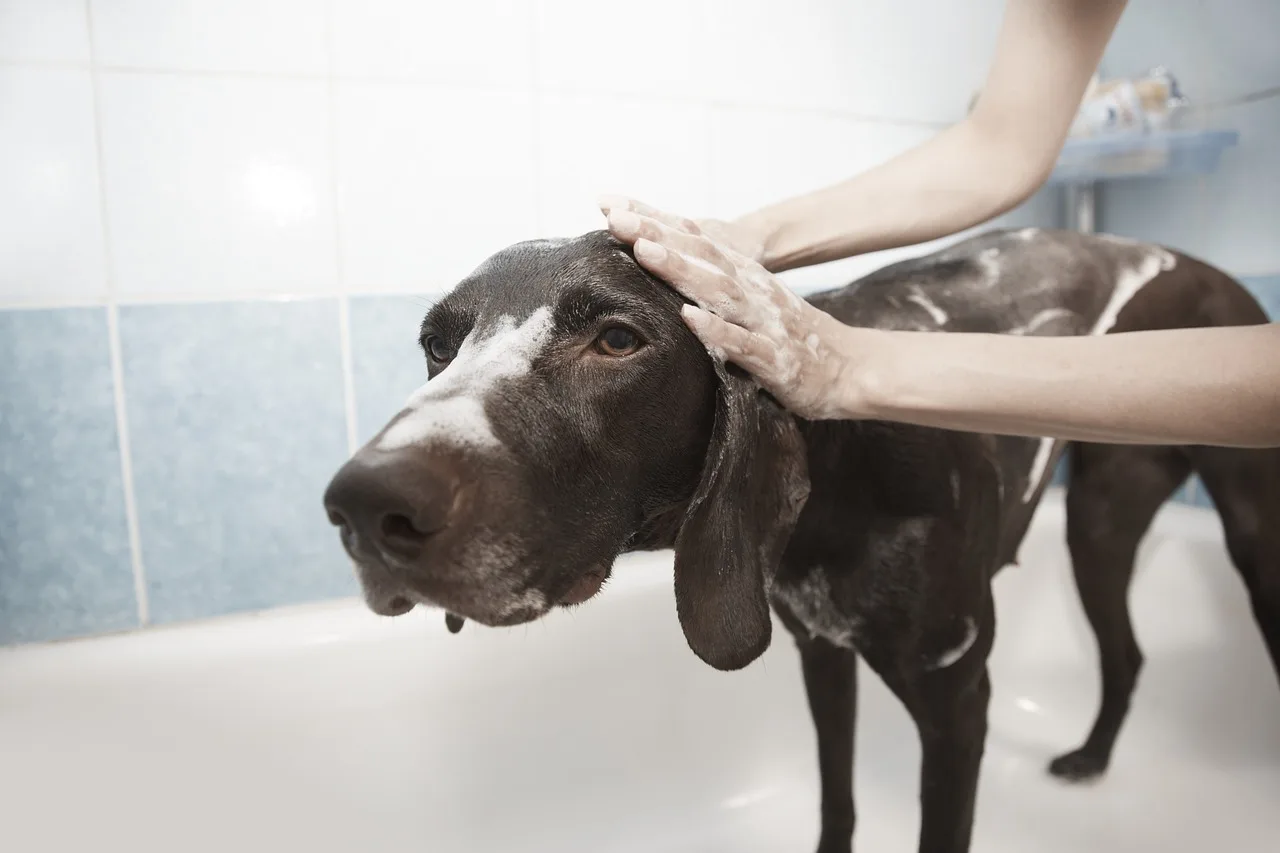
- Bathing and dryingtemperature, shampoo, dryer distance
- Blade and clipper workblade choice, cool check
- Finish and recordsnails, ears, trim, intake photo
Nothing on that list is optional, and the order is not a preference. Handling comes first because every later step depends on a dog that will hold still.
Sign off on coat types, not on people
"Trained" is not a useful word in a salon. A groomer who is safe on a smooth-coated terrier may not be ready for a matted double coat, and the roster should say so.
Sign-off by coat type
- Handlingsolo calm dog, stress signals named
- Bath and drysafe drying on small dog
- Smooth and wirefull groom, no assistance
- Curlyfull groom, owner approves finish
- Mattedshave-down decision made and recorded
Sign off on coat types
| Sign-off | What it certifies | Who checks |
|---|---|---|
| Handling | Solo handling of a calm dog, stress signals named | Senior groomer |
| Bath and dry | Safe drying on a small dog | Senior groomer |
| Smooth and wire coats | Full groom, no assistance | Owner or manager |
| Curly coats | Full groom, owner approves finish | Owner or manager |
| Matted coats | Shave-down decision made and recorded | Owner or manager |
Example entry: [employee] — curly coat, bath and dry — assessed by [senior groomer] on [date] — approved for bath and dry only; scissor finishing not authorized.
Add a name and a date to each row. When a client asks who is working on their dog, that table answers the question.
Keep the equipment and the training matched
A groomer trained on equipment the salon does not own learns twice, so settle the equipment and setup before you write the training plan. In each competency sign-off, record the clipper and blade setup, dryer type, tub setup and restraint method the groomer demonstrated under supervision. Authorize only the equipment and tasks covered by that sign-off.
The same applies to hiring. Read how to hire reliable staff for a pet grooming business before you promise a training program, because the person you hire decides how much training you actually need to deliver.
The money side is not separate
Required, job-related training generally counts as hours worked under the Fair Labor Standards Act (FLSA), unless all federal conditions for excluding training time are met; the U.S. Department of Labor's Wage and Hour Division administers federal wage rules, and your state labor agency may impose stricter requirements. The Department of Labor's guidance for new and small businesses covers wage, overtime, timekeeping and recordkeeping duties, while the EEOC's small business resource center covers fair hiring and employment records. Under the FLSA recordkeeping rules in 29 CFR Part 516, records for each nonexempt employee include name and identifying number, address, occupation, workweek start, daily and weekly hours, pay basis and regular rate, straight-time and overtime earnings, additions or deductions, total wages, pay period and payment date. Keep payroll records at least three years, and timecards and wage-computation records at least two years.
The Bureau of Labor Statistics describes animal care and service workers as bathing, clipping, nail care, handling and recordkeeping, with real physical and injury risk. That is the job you are training for, and it is a job with a turnover rate to plan around.
Training costs money before it earns any, which is why pricing services for a fair margin belongs in the same plan. The checks that tell an owner whether the training took are set out in how owners check service quality.
Common questions
How long does it take to train a groomer?
Do not use a fixed date as the test. Sign off each competency separately, record the coat types and tasks demonstrated, and assign supervised practice for skills that are not yet approved.
What if a groomer refuses a matted dog?
A groomer may stop and escalate rather than attempt work outside their sign-off. Record the coat condition, proposed plan and client's decision on the intake record, and attach a photograph.
Can I train someone with no experience?
Yes, if you have a senior groomer with time to supervise. Without that supervision you are teaching by trial on client dogs, which is how injuries and complaints happen.
What records should I keep?
Use a salon training log to record the employee, coat type and task, equipment setup, assessor, sign-off date, result and any limits or follow-up practice. Keep the current authorization accessible and preserve superseded entries under a written records policy; the FLSA payroll retention periods do not set a retention period for salon skill sign-offs. Keep each dog's intake photograph and the related condition and service decision in the appointment record. Confirm recordkeeping requirements with your state and municipal authority.