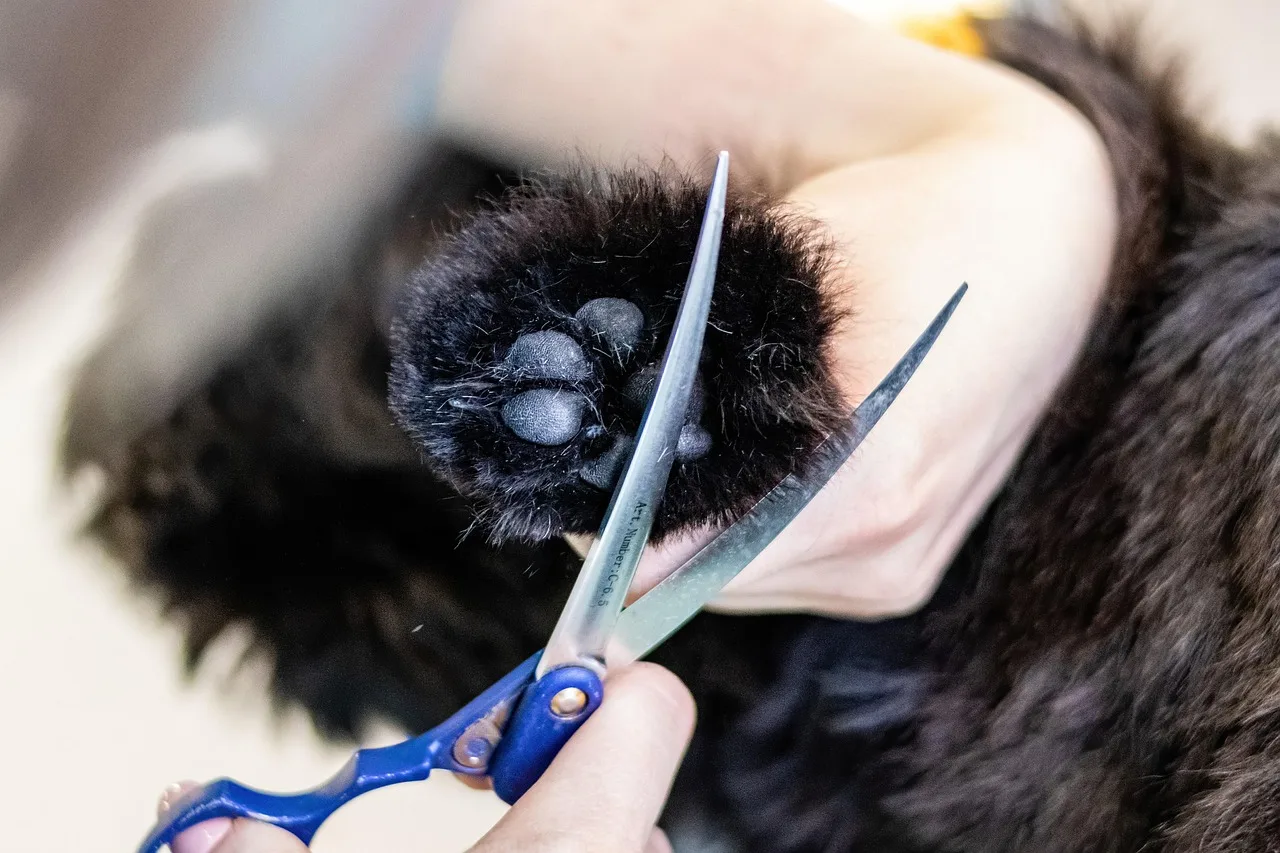
Guides
Pet grooming bookkeeping: what to record per appointment
Pet grooming bookkeeping starts with a complete appointment ticket: services, tips, taxes, payments, costs, and the records to keep.
What to take away
- Your books should show revenue per station hour, not revenue per day, because a table-bound day and a dryer-bound day cost the same to staff.
- Record coat type and size on every ticket. Without them you cannot tell whether a slow month came from fewer dogs or heavier ones.
- Keep intake photographs and condition notes with the invoice. They settle coat-damage disputes that no ledger entry can.
- Separate consumables from equipment repair. Blade sharpening and dryer service are maintenance, not supplies.
- Confirm what records your state and municipal authority expects, and how long, before you choose software.
A grooming business can run a full book and still not know which services pay. The till shows money in. It does not show that four of Tuesday's six dogs were double-coated, that the dryers ran two hours past the last table, or that half the clients have not rebooked.
Build the ticket before the ledger
The appointment record is the accounting document. If it is thin, the month's numbers are guesses.
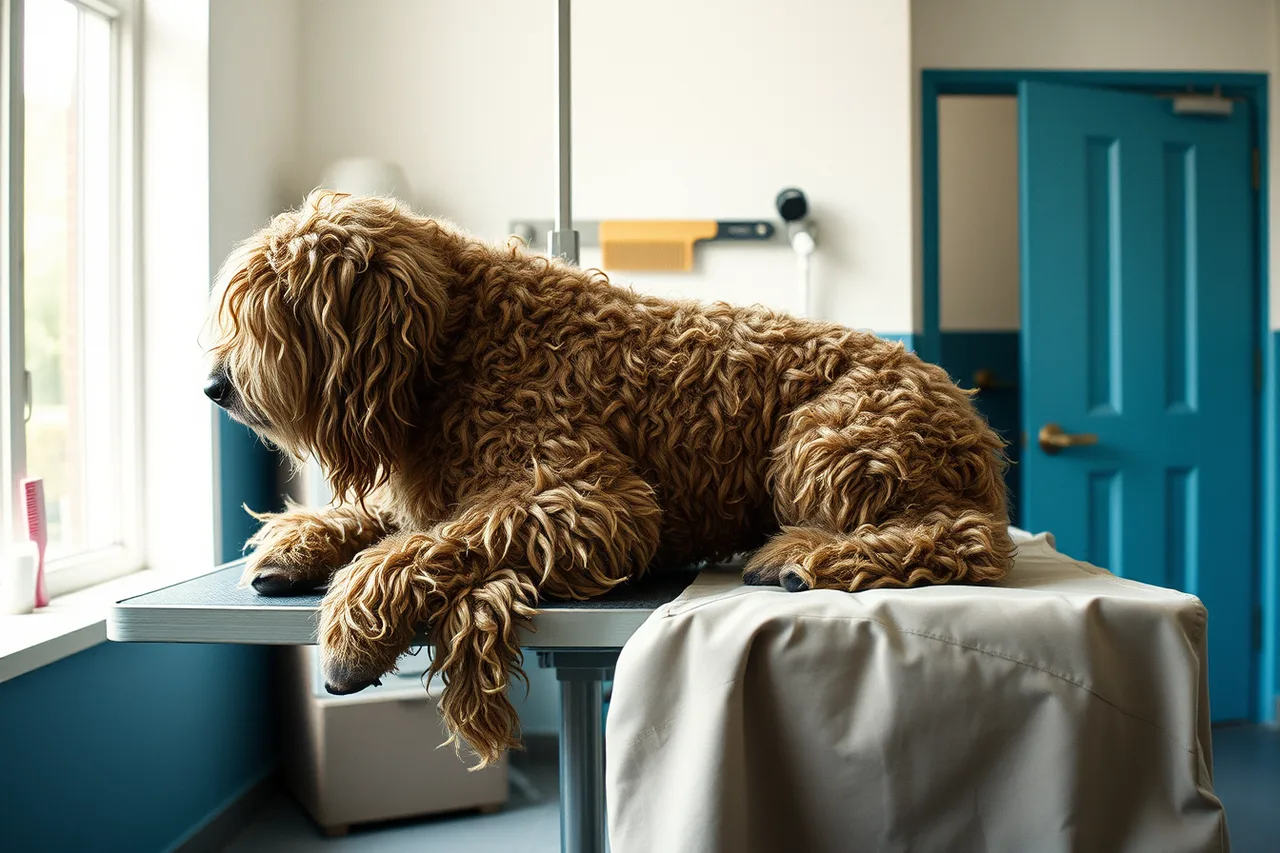
Record at intake: coat type, size band, condition at arrival, and the service sold. Photograph the coat and any pre-existing matting. Note the time the dog went on the table and the time it left the drying position.
At checkout, update the ticket with the service actually performed, unclipped add-ons, rebooking outcome, and each charge: service and add-on amounts, discounts, deposits received or applied, and any no-show or late-cancellation fee. Record tips, sales tax collected where applicable, payment method, amount paid, and any card-processing fee shown by the processor; keep tips and tax separate from service revenue, and track tax remittances in the books. Reconcile appointment payments to the daily till close and processor settlements so deposits, cash, fees, and refunds are not mistaken for new revenue.
Those four fields answer the questions a profit-and-loss statement cannot. Which coat families fill your week. Which services overrun their slot. Whether a price rise lost clients or only lost the ones who were never rebooking.
| Record | What it settles |
|---|---|
| Coat type and size band | Whether a slow week was fewer dogs or heavier ones |
| Table and drying times | Which service is eating the schedule |
| Intake photographs | Coat condition disputes, weeks later |
| Service sold versus service performed | Add-ons that were done but never charged |
| Rebooking at checkout | Whether the book refills itself |
The lines that behave differently
Fixed costs, rent and insurance, set the floor the month has to clear. Variable costs move with each dog. Labor is usually the largest line, and overtime shows up hardest in the weeks before holidays.
Use separate ledger categories for grooming services, add-on services, retail sales, discounts, cancellation or no-show fees, tips payable, sales tax payable, deposits, payment-processing fees, labor, consumables, rent, insurance, and repairs. Sales tax collected is not grooming revenue; record it as a liability and record remittances separately, following the state and local rules that apply.
Equipment is the line owners defer. A clipper that needs a new blade, a dryer losing heat, a tub with a slow drain: each one adds minutes to every dog until it is fixed. Track repair and sharpening as their own line so the pattern is visible before it becomes a replacement.
Before you sign for software
Booking and payment platforms hold your client history, photographs, and revenue record. When comparing pet grooming software, check that it can export the appointment details and financial records you need.
Ask what you can export, in what format, and how often. Ask what happens to intake photographs and notes if you leave. Test the export during the trial, not after three years of history sit inside it.
The National Institute of Standards and Technology small business quick-start guides cover this ground for owners without a technical background. The Cybersecurity and Infrastructure Security Agency guidance for small and midsize businesses is written for operations your size.
For the tax side, the Internal Revenue Service explains what records a small business should keep. The short version: a system that clearly shows income and expenses, plus the documents behind them. IRS Publication 583, Starting a Business and Keeping Records, covers business recordkeeping; Publication 15 (Circular E), Employer's Tax Guide, covers employment taxes.
Two more checks before you commit. Which reports does the platform produce, and what formula sits behind each one. A dashboard labeled "average ticket" that excludes add-ons is not wrong, but it will mislead you if you price against it. And whether you can run a test appointment through the system without polluting live data.
Where the numbers point next
If revenue per station hour is falling while bookings hold steady, compare coat mix and service duration before treating it as a demand problem. If rebooking at checkout is low, review the service and checkout process as well as marketing. Use which metrics to watch monthly to make that review consistent.
If the numbers say the salon is healthy but the room is full, the question becomes location and demand. Compare those factors with the bookkeeping picture using the market analysis.
Common questions
Do I need accounting software to run a salon?
No. A booking system with exportable records plus a spreadsheet will carry a single-location salon. What you cannot skip is the intake record, because no accounting tool captures coat condition.
How long should I keep grooming records?
Follow your state and municipal requirements, and your tax authority's guidance, then keep client records longer if you handle condition disputes. Confirm the specifics with your state and municipal authority rather than assuming a number.
Should I track revenue per dog or per hour?
Per hour. A heavy-coated dog may take three times as long as a smooth-coated one at a similar price. Per-dog averages hide that, and the schedule is where the cost actually sits.
What if a client disputes coat condition after the groom?
Your intake photographs and written condition notes are the record. Keep them attached to the invoice. If the animal's skin or health is at issue, refer the owner to a veterinarian.