Guides
Aggressive Dog Grooming Protocol: Steps to Avoid Bites
Aggressive dog grooming protocol steps help groomers avoid bites. This method covers intake, muzzle checks, safe handling, and when to refer out.
What to take away
- An aggressive dog grooming protocol is a written sequence from intake to restraint that reduces bite risk and documents the salon's control of hazards.
- The step that decides the result is correct muzzle application before any tool touches the dog.
- You check each step by visible signsa closed muzzle strap, no tongue pinch, and a stable two-person hold.
- Stop and refer out when a dog freezes, whale-eyes, or snaps at the muzzle after two separate attempts.
Before the first step: intake and environment
A safe groom starts with information. The intake form must ask about bite history, known triggers, and whether the dog has ever been muzzled. Use a structured Pet Grooming Client Intake Form to collect these facts before the appointment. The salon should also remove clutter, keep an exit path clear, and place a non-slip mat on the table. Prepare a basket muzzle, a slip lead, and a second trained person before the dog enters the room.
The table below shows common pre-groom signals and the required response.
| Signal | What it means | Action |
|---|
Pre-Groom Signal Response
Hard stare? Yes -> Back away, avoid eye contact
Hard stare? No -> Continue intake
Lip lift or growl? Yes -> Stop approach, use barrier
OSHA's PPE standard requires employers to evaluate hazards and provide protective equipment for tasks that pose a risk. A bite-resistant sleeve is one option a salon may issue after the hazard assessment.
The sequence for handling an aggressive dog
- Mark the kennel card and schedule notes with the word aggressive.
- Have a second trained handler present before the dog leaves the kennel.
- Fit a basket muzzle while the dog is still in a low-stress area.
- Attach two leashesone to the collar and one to a slip lead.
- Move the dog to the table using the slip lead, not the collar.
- Secure the grooming loop and keep one hand on the dog's shoulder at all times.
- Work in short sessions and recheck the muzzle after every major tool change.
The AVMA's dog bite prevention page lists warning signs that groomers should recognize before handling a dog. A hard stare and a stiff tail are enough to pause the sequence. The OSHA safety standards that American pet grooming salons must follow also require a written hazard assessment for animal handling.
Aggressive Dog Handling Sequence
- Mark kennel card and schedule aggressive
- Have second trained handler present
- Fit basket muzzle in low-stress area
- Attach two leashescollar and slip lead
- Move dog to table using slip lead
- Secure grooming loop, hand on shoulder
- Work short sessions, recheck muzzle
The step that decides the result: muzzle application
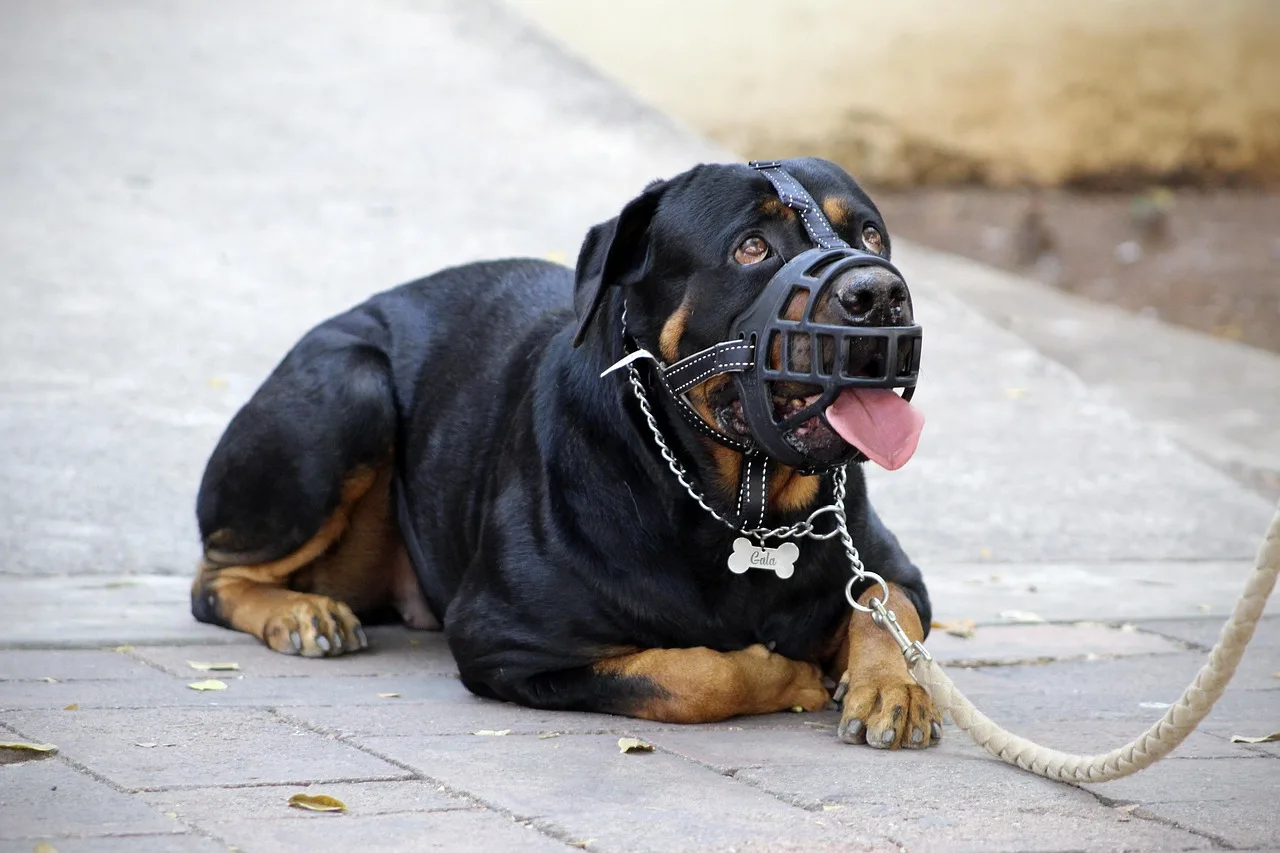
Correct muzzle application is the step that decides whether the groom is safe. A basket muzzle allows the dog to pant and take treats while preventing a bite. The strap must be tight enough that the dog cannot remove it but loose enough to slide one finger beneath it. Apply the muzzle before the dog is lifted or placed on the table. If the dog refuses the muzzle, do not proceed with a cloth muzzle because it blocks panting and can cause overheating.
How to check each step came out right
The checklist below matches the approach owners use for quality control in a pet grooming business. Use this checklist after each step.
Post-Step Safety Checklist
- Muzzle strap allows one finger under it
- Dog can pant with muzzle after two minutes
- Second handler grips slip lead, stands to side
- Grooming loop snug, does not lift front feet
- No tool touched dog before muzzle secure
A visible check for step three is that the dog's nose fits fully inside the basket without the strap pinching the eyes.
What to do when a step goes wrong
The common failure is a muzzle slip during grooming. If the muzzle slips, stop all grooming immediately. Have the second handler shorten the slip lead and back away. Reapply the muzzle in the kennel area with the dog on the floor, not on the table. If a bite breaks skin, treat it as an exposure and follow the OSHA bloodborne pathogens standard for first aid and reporting. A named recovery for a thrashing dog is to place a towel over the dog's head for three seconds, then re-fit the muzzle without pulling the ears.
When to stop and hand it to a professional
Stop the groom and refer the dog to a veterinary behaviorist or a sedation grooming clinic when the dog freezes, whale-eyes, or snaps at the muzzle after two separate attempts. This condition applies even if the owner insists the dog is fine. A groomer's license and insurance do not cover a bite that happens after the dog gave clear warning.
Example: Illinois and Florida bite claims
In Illinois, the Animal Control Act holds dog owners liable for bites, but a salon that ignores a dog's known aggression can still face a negligence claim. In Florida, strict liability applies to owners, yet a salon's failure to follow its own written protocol can shift blame to the business. A written refusal to groom an aggressive dog protects the salon in both states. Document the refusal on the intake form and keep a copy. In Chicago, the local animal control in Chicago compliance checklist adds city-specific rules for dangerous dog reports.