Guides
Grooming Salon Sanitation Schedule by Interval for Teams
A grooming salon sanitation schedule grouped by interval, daily, monthly, seasonal, annual and long term, with EPA-registered disinfectants, symptom fixes, records.
What to take away
- Sanitation tasks work best grouped by how often they happen, not by which tool they touch. Daily, monthly, seasonal, annual.
- Most state boards regulate grooming through general animal-care or facility rules, not a grooming-specific sanitation code, so the checklist is yours to build and document.
- Disinfectants must carry an EPA registration number and match the contact time on the label. A wipe-and-rinse is not disinfection.
- The first thing to fail from neglect is the clipper blade and its cooling and cleaning routine, followed by dryer filters.
- If a symptom appears, the cause is usually a skipped interval, not a bad product.
The daily interval that holds everything else up
Sanitation in a grooming salon is a schedule problem before it is a chemistry problem. A team that cleans by component, the tubs today and the clippers tomorrow, loses track within a week. A team that cleans by interval keeps the same rhythm regardless of how busy the day was.
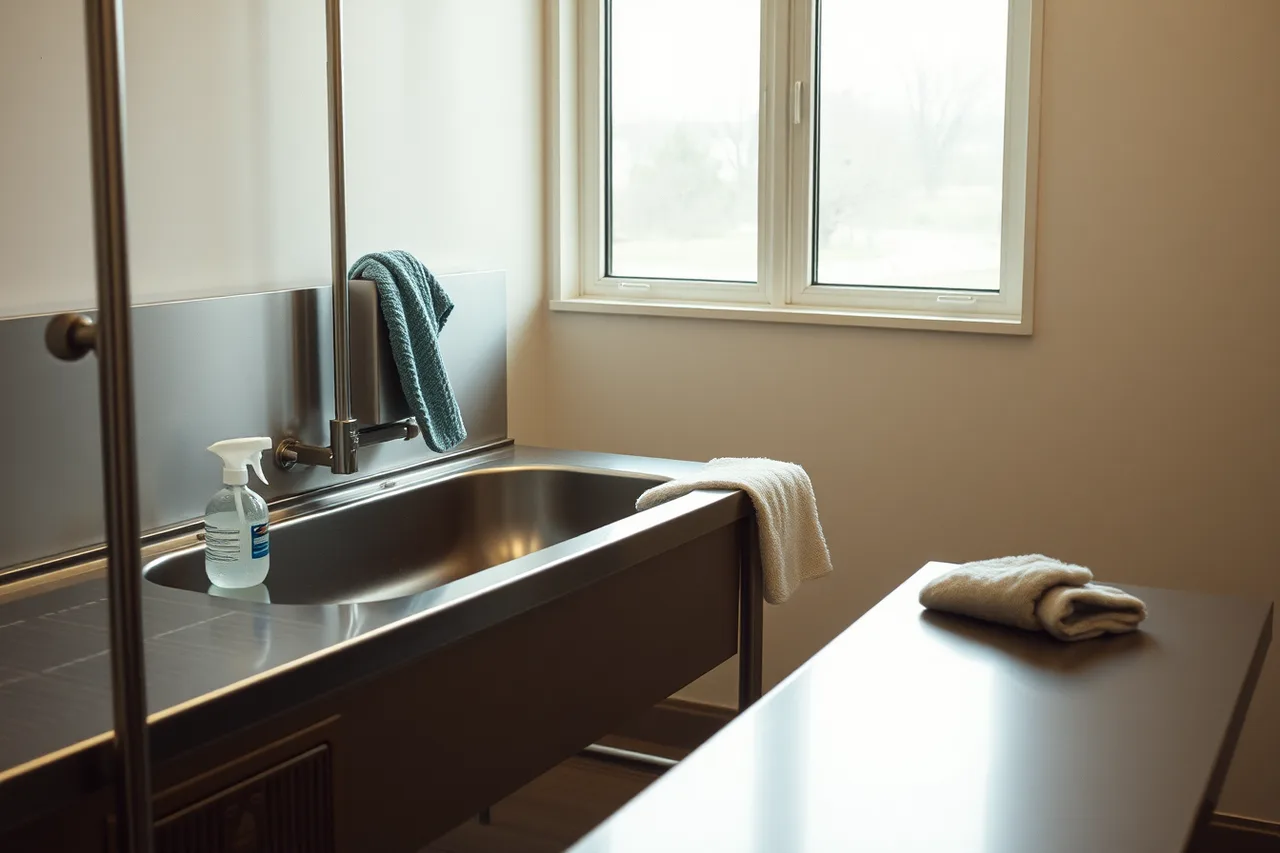
Daily work covers surfaces an animal touches and air the staff breathes. Tables, tubs, loops, and floors get disinfected between dogs. Towels go into a closed hamper, never a pile on the floor. Dryer filters get checked. Water bowls are emptied and refilled.
- Disinfect tables, tubs, and restraints between every dog
- Change and launder towels, keeping soiled linen in a closed bin
- Empty and refill water bowls
- Check dryer and HVAC filters for hair buildup
- Wipe clipper blades and store them dry
Each month and each season
The monthly pass reaches parts of the salon that daily work skips. Pull the dryer intake covers and vacuum the lint. Descale the tub and the sprayer head. Check the disinfectant stock for expired concentrate and confirm the dilution ratio on the mixing station.
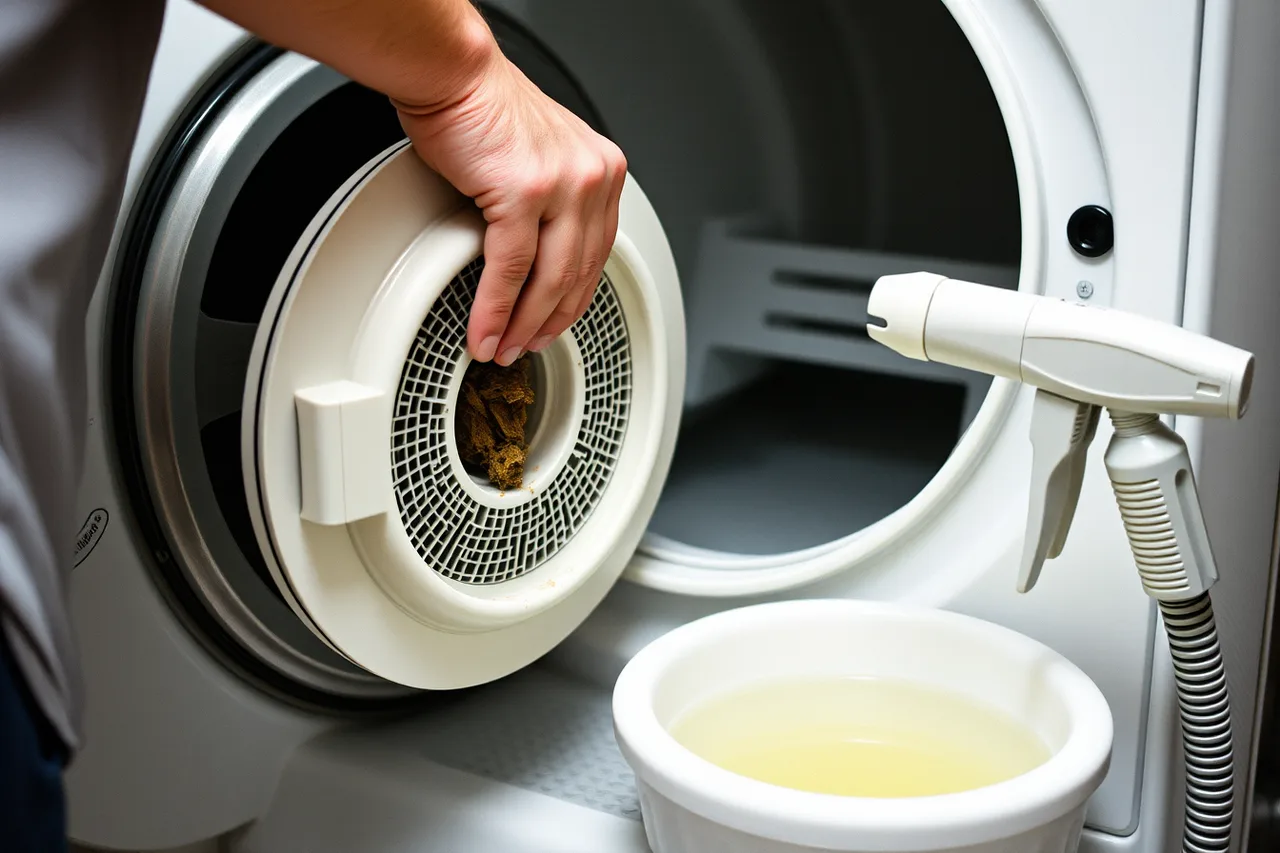
Seasonal work follows the coat cycle. Spring shedding fills traps and filters faster, so the monthly pass becomes a two-week pass from March through May in most of the country. Winter brings dry air and static, which changes how blades run and how often they need oil.
A dilution chart taped to the wall beats a memorized ratio. Staff change, and the chart does not.
Once a year
Annual work is where documentation matters as much as cleaning. Review the disinfectant list against the current EPA registration database, because products are added and removed. Confirm that every product in the salon still appears there with a registration number.
The EPA maintains a searchable list of registered disinfectants, and it is the reference a state inspector will expect you to know. See the EPA list of selected registered disinfectants for how products are categorized by use site.
Annual work also covers the written record. OSHA expects employers to have a bloodborne pathogens exposure control plan where occupational exposure to blood or other potentially infectious material is reasonably anticipated, which covers bite and nick injuries in a grooming room. The OSHA bloodborne pathogens standard sets out what that plan must contain.
Teams that document sanitation alongside safety training tend to keep both current. Our guide to the OSHA safety standards explains which written programs apply to a salon floor.
Every few years, and what actually breaks first
Long-interval work is unglamorous. Replace worn tub mats and restraint straps when the surface no longer wipes clean. Resurface or replace chipped tables, because a cracked surface holds organic material no disinfectant reaches. Have the HVAC system cleaned by a contractor every few years.
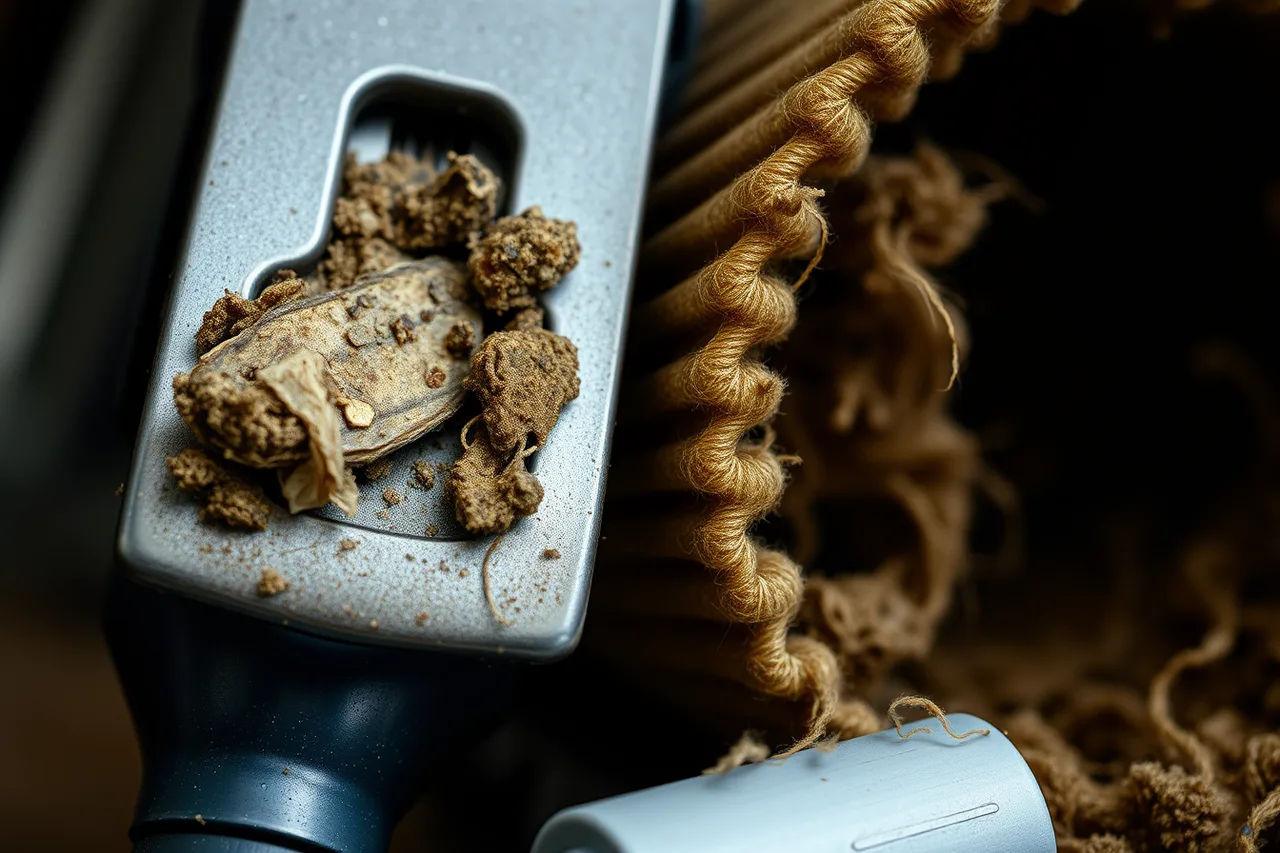
The first thing to fail from neglect is the clipper blade and the cleaning routine around it. Blades dull, heat up, and drag, and a dragging blade nicks skin. A nick is a blood exposure, which pulls the whole sanitation program into OSHA territory rather than ordinary cleaning.
The second failure is the dryer filter. A clogged filter overheats the motor and pushes hair and dander back into the room.
Signs it needs attention now
| Symptom | Likely cause |
|---|---|
| Smell returns within a day of cleaning | Organic material in a drain, trap, or cracked surface |
| Blades run hot and drag | Skipped blade cleaning or worn blade |
| Dogs sneeze or cough in the drying area | Clogged dryer or HVAC filter |
| Disinfectant leaves a film | Wrong dilution ratio or expired concentrate |
| Staff report skin irritation | Contact time too long on skin, or missing gloves |
Example of a fix that took one afternoon
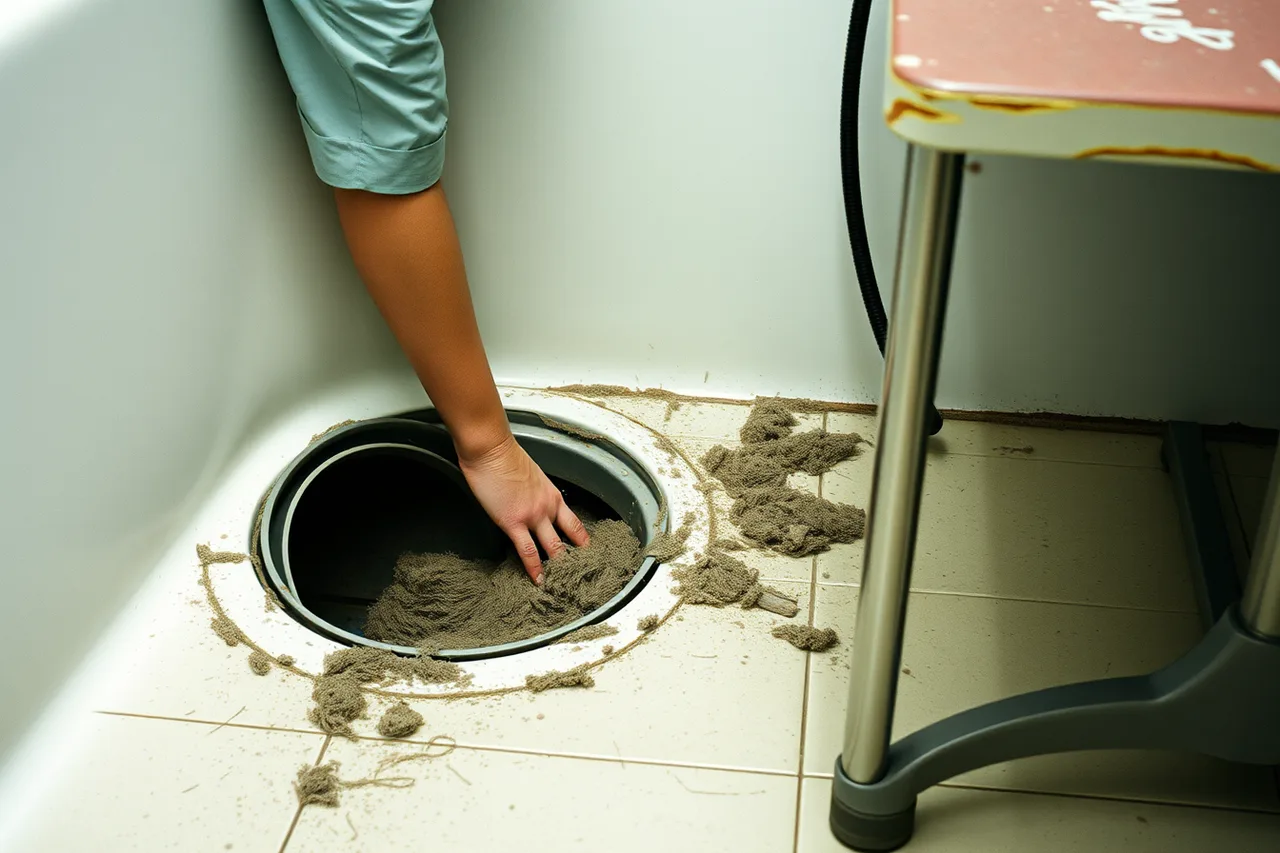
A two-table salon had a persistent smell that returned every morning. Daily cleaning was thorough. The cause was a floor drain under the tub that no one had opened in over a year, plus a chipped table edge trapping hair. Clearing the drain and replacing the table took one afternoon and ended the problem.
A checklist that survives staff turnover
Write the schedule on one page and post it where the work happens. Assign each interval to a role, not a name, so the checklist survives a hire or departure.
New staff should be walked through it on day one, which is also the time to cover handling rules. The aggressive dog grooming protocol covers the handling side next to sanitation in a new hire's first week.
Sanitation also shows up in how you verify work. Owners who check service quality usually find that cleaning records and complaint patterns move together, as our piece on quality control in a pet grooming business describes.