Guides
How SBA loans and resources help American pet grooming startups
SBA 7(a), 504 and microloans, Lender Match and free SCORE and SBDC counseling give grooming startups a funded path from first table to first building.
What to take away
- The SBA programs a grooming startup can use are 7(a), 504, microloans, Lender Match and free counseling through SCORE and SBDCs.
- 7(a) covers working capital, tubs, tables, dryers, kennel flooring, a van conversion and leasehold improvements.
- 504 pairs a bank with a certified development company for owner occupied real estate and heavy fixed equipment.
- Microloans come through nonprofit intermediaries, suit a one table salon or a first van, and often arrive with training attached.
- Approval turns on personal credit, available collateral, your own cash injection and a plan that shows grooming revenue.
Which SBA loan fits a grooming startup
Most grooming startups need a stack, not one loan. A small loan covers the build out, a credit line covers payroll and shampoo between appointments, and a mortgage comes later if the salon buys its building.
Which SBA loan fits
SBA 7(a)
- Typical range
- Up to $5 million
- Best use
- Working capital, equipment, build out
- Real estate
- Some
- Daily cash flow
- Yes
SBA 504
- Typical range
- Up to $5.5 million
- Best use
- Owner occupied salon building
- Real estate
- Mainly
- Daily cash flow
- No
SBA microloan
- Typical range
- Up to $50,000
- Best use
- One table salon, used equipment
- Real estate
- No
- Daily cash flow
- Small
The SBA loan programs page lists the three that matter here. The 7(a) loan is the general purpose workhorse. The 504 loan is for fixed assets, mainly real estate. Microloans are the small end, often under $50,000.
What you need before applying is a number: total startup cost, monthly break even, and how much of the total you will fund yourself. The capital for a pet grooming business breakdown covers what lenders expect to see on that page of your file.
Which SBA loan fits
Typical range
- SBA 7(a)
- Up to $5 million
- SBA 504
- Up to $5.5 million
- SBA microloan
- Up to $50,000
Best use for a grooming startup
- SBA 7(a)
- Working capital, equipment, build out, some real estate
- SBA 504
- Owner occupied salon building, large fixed equipment
- SBA microloan
- One table salon, used equipment, first mobile van
Amounts and terms are set by the agency and its lender partners, so treat the table as a starting point and confirm current figures with a lender.
7(a) loans: amounts, uses and terms
The 7(a) loan program is the one most grooming startups end up using. A bank makes the loan and the SBA guarantees part of it, which is why a salon with two years of tax returns can sometimes qualify where a plain bank loan would be declined.
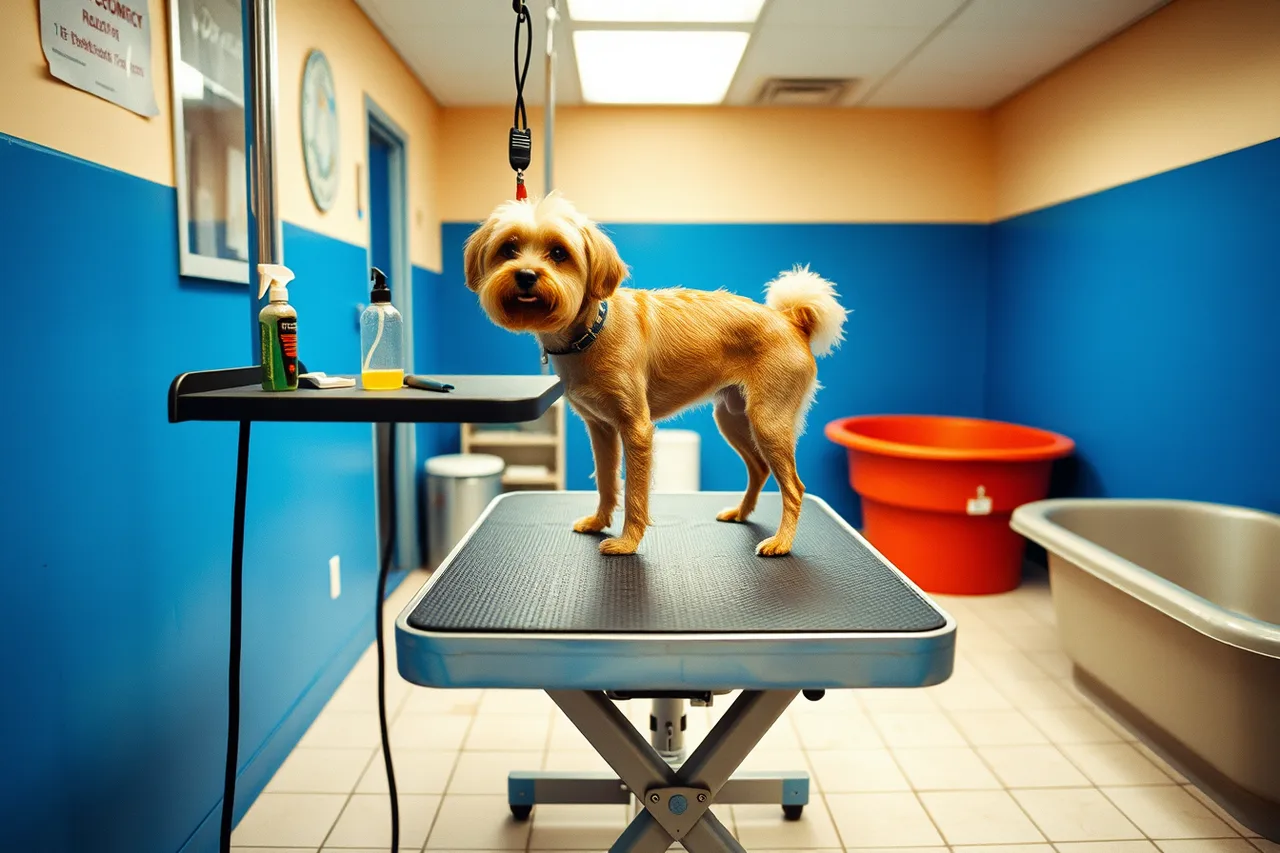
Uses that fit a salon include tubs, hydraulic tables, stand dryers, cages and kennel flooring. Plumbing, ventilation, signage, a van and its conversion count too, along with leasehold improvements and payroll during a slow first quarter. Shampoo and clipper blades fit as consumables.
Terms follow the use of funds. Working capital usually runs shorter, equipment and real estate longer. Rates are negotiated between you and the lender and are tied to a base rate plus a spread, so two banks can quote differently on the same file.
Lenders underwrite against your personal credit, not only the salon. A FICO score in the high 600s or better helps, and any owner holding 20 percent or more is usually asked for a personal guarantee. Tax transcripts, a signed lease and a documented client list often decide the outcome.
If you are still deciding what the money is for, write the pet grooming business plan first. Lenders read the use of funds section before anything else.
504 loans for real estate and equipment
A 504 loan works differently. A certified development company pairs with your bank. The bank takes a first lien, the CDC takes a second, and the SBA backs the CDC portion. The structure suits large fixed purchases, not daily cash flow.
For a grooming business that means buying the building you groom in, or a full plumbing and ventilation installation built into a property you own. It is not the loan for shampoo, payroll or a second tub.
The usual requirement is that you occupy a meaningful share of the property. Long terms and fixed rates are the appeal, because a fixed payment on a building is easier to plan around than a floating rate.
Most grooming startups do not start here. They start with a 7(a) or a microloan, build two or three years of returns, then use a 504 when they buy premises. That sequence also gives you something to show a CDC: real revenue and a real lease history.
Microloans and where to find a microlender
SBA microloans come through nonprofit intermediaries, not directly from the SBA. Amounts are small, which matches a one groomer salon, a garage conversion or a first mobile unit.
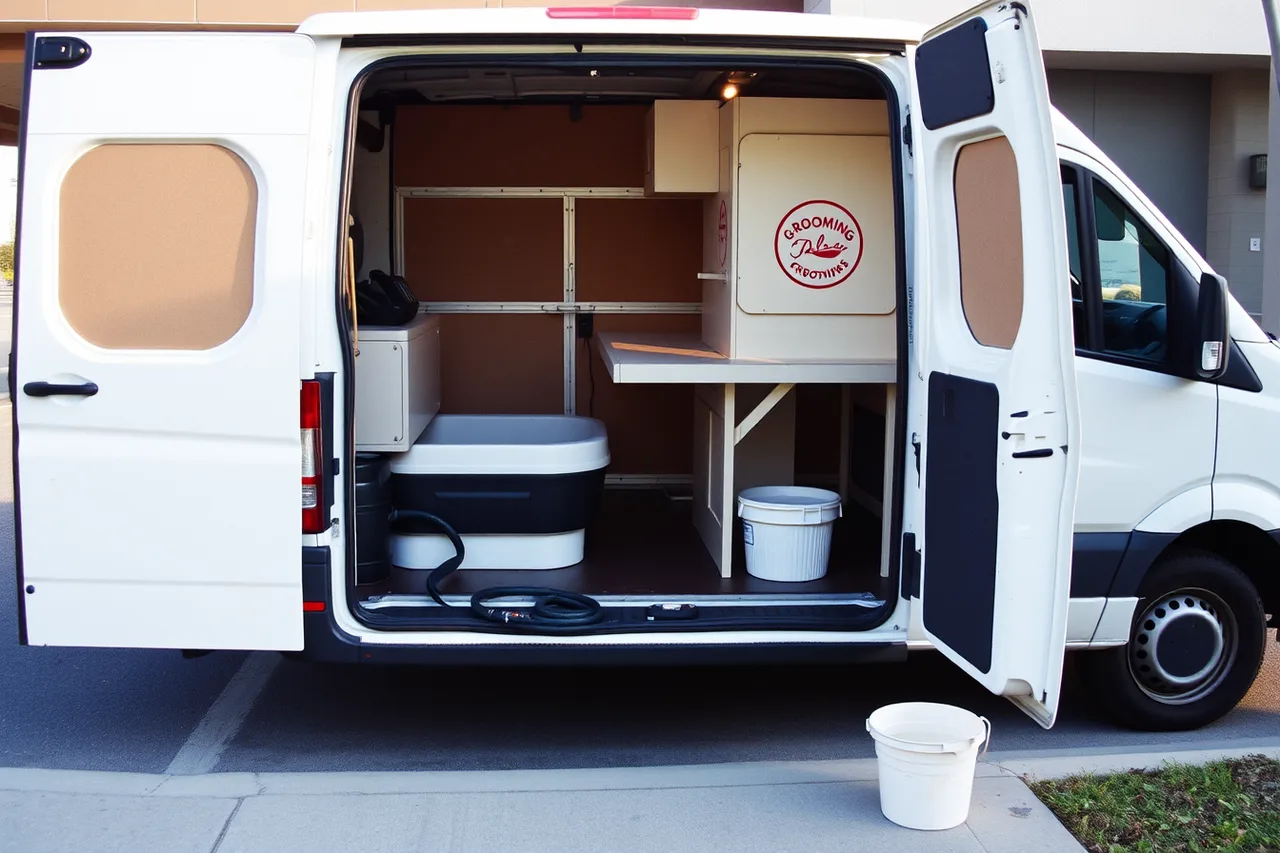
Microlenders often weigh your character and your plan more heavily than hard collateral. Many pair the loan with training, and some lend to owners who would not pass a bank credit screen today.
Finding one is the practical step. The SBA does not publish a single national list, so use these routes:
Microloans and microlenders
- Open the SBA microloan page and follow the link to participating intermediaries for your state.
- Call your SBDC and ask which microlenders are active in your county right now.
- Ask local groomers, vet clinics and pet store owners who financed their build out.
- Check your city or state economic development office, which often lists local revolving loan funds.
- Confirm the intermediary lends in your state and to your industry before you spend time on the application.
Microloan money is usually the fastest route to a working tub, but the amounts are modest. Plan the rest of the build out from savings, a credit line or a partner.
Lender Match and how to prepare an application
Lender Match connects you with participating lenders. You answer questions about your business, your revenue and the amount you need, and lenders who want your profile contact you. It is free and it does not obligate you to borrow.
Loan application document file
- Business plan with three years of projections
- Personal and business tax returns
- Photo ID, proof of address, formation documents
- Lease or letter of intent for the space
- Equipment quotes, contractor bids, use of funds
- Resumes showing grooming experience and certification
- Bank statements for the last several months
Before you submit anything, assemble the file. Lenders ask for the same documents again and again, and a complete package moves faster than a good story.
- Business plan with three years of projected revenue and expenses
- Personal and business tax returns, plus a personal financial statement
- Photo ID, proof of address and business formation documents
- Lease, or a letter of intent for the space you want
- Equipment quotes, contractor bids and a use of funds list
- Resumes showing grooming experience, certification and any staff
- Bank statements for the last several months
Then work the steps in order:
Lender Match and application
- Decide the amount and the exact use of funds, split into categories.
- Run Lender Match and shortlist two or three lenders who respond.
- Meet each one and ask about rate, term, fees and the personal guarantee.
- Submit the full package to your first choice and keep a second lender warm.
- Answer follow up questions within a day, because underwriting stalls when documents sit.
A lender who funds pet service businesses is worth more than the lowest quoted rate. Ask whether they have financed a grooming salon, a kennel or a veterinary clinic before.
Free counseling through SCORE and SBDCs
You do not have to pay anyone to prepare for this. The SBA's resource partners include SCORE and Small Business Development Centers, and their counseling is free.
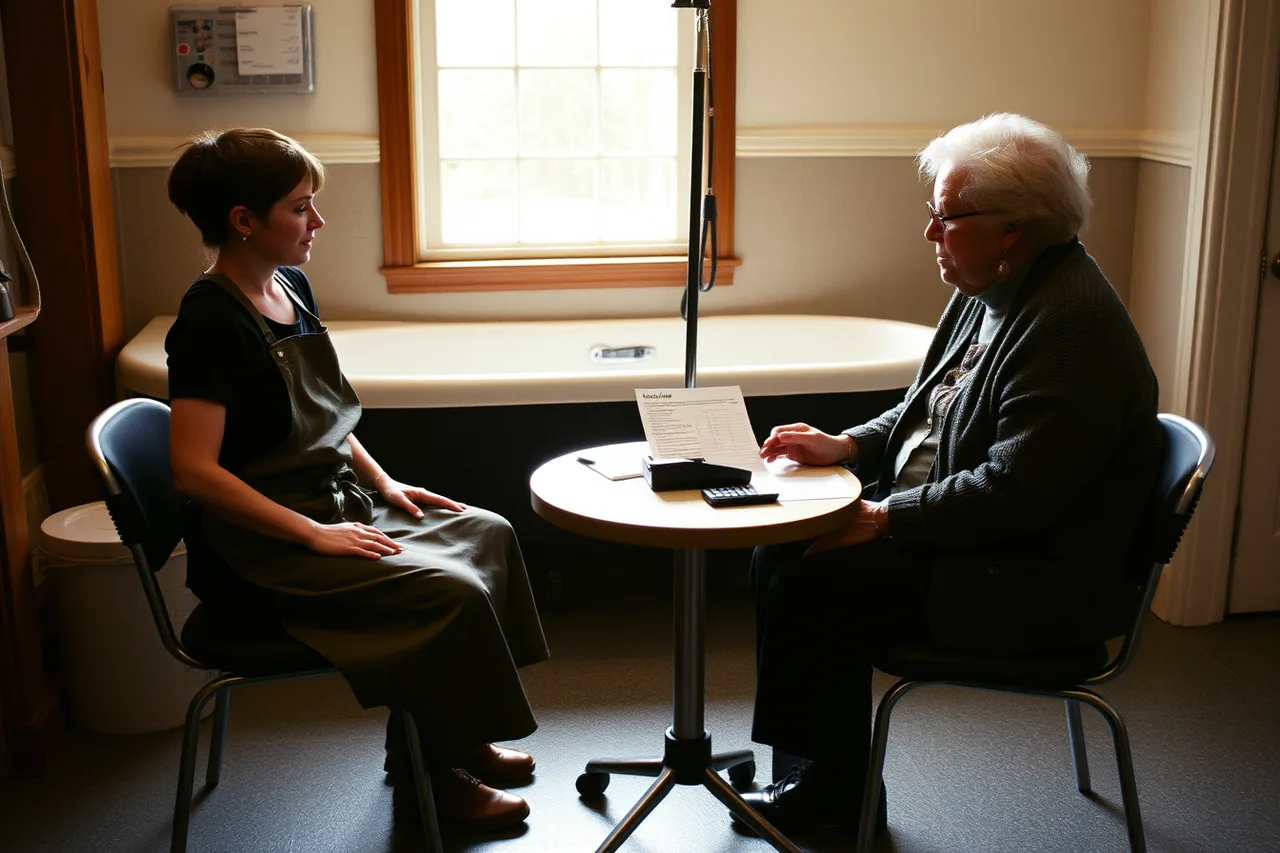
SCORE pairs you with volunteer mentors, often retired bankers and owners. They will read your numbers, tell you what a lender will question, and help you rehearse the conversation. SBDCs sit inside universities and state networks and often have staff who know local lenders and incentive programs.
Use them for specific jobs. Ask a mentor to review your use of funds list. Ask an SBDC advisor which banks in your metro are lending to service businesses this quarter. Ask both about local licensing, since health departments and state boards set rules that vary by state.
Counseling also covers the parts of the business that are not grooming. The lessons about pet grooming startup that owners repeat most often are about pricing, scheduling density and hiring, and a mentor will push on all three before a lender does.
Eligibility, credit and collateral basics
Eligibility for SBA backing starts with the business itself. It must be a for profit business operating in the United States or its territories, and small under SBA size standards for its industry.
You will also need a state business license and, in most cities, a local health department permit for the facility. A state sales tax registration applies where grooming is taxable, and owners must be US citizens or lawful permanent residents in most cases. Confirm current requirements with your state and municipal authority.
Credit is the first screen. Lenders pull personal and business scores, and unpaid judgments, recent bankruptcies or tax liens will slow or stop a file. Paying down revolving balances before you apply genuinely changes the outcome.
Collateral is the second screen. The SBA expects lenders to take available collateral, which for a startup often means home equity, a vehicle or equipment. A shortfall does not automatically disqualify you, but it may change the amount or the terms.
Your own injection matters too. Lenders want to see that you have skin in the game, and a mix of savings, a partner contribution or a small outside investment strengthens the application. SBA loans are not grants, and no program funds a salon entirely without repayment.
Compliance is quieter but real. The IRS expects quarterly estimated taxes, payroll deposits and Form 941 filings once you hire. Grooming revenue is subject to state sales tax in some states. OSHA rules on chemicals, ventilation and bathroom access apply to your wash area.
ADA rules cover access and service animal handling in the salon. The NDGAA sets grooming certification standards, and your state board of veterinary medicine draws the line between grooming and medical procedures.
What to do after approval
Approval is the start of a relationship. The SBA sets servicing rules your lender must follow, and the personal guarantee ties the debt to your own credit file and Social Security number. Read the note before you sign: the rate structure, the repayment schedule, any prepayment fee, and what counts as a default.
Then spend the money the way you promised. Draw down in the order you described, keep receipts for every piece of equipment, and hold the loan funds in a separate account so the paper trail stays clean.
Set up the boring systems early. Separate business banking, a bookkeeping routine, quarterly estimated taxes and a payroll process if you hire. Lenders review annual financials, and clean records make the next loan, a credit line or a pet grooming expansion far easier.
Report changes. If revenue runs behind plan, tell your lender before a payment is late. Many will restructure a payment schedule for an owner who calls early and will not for one who goes silent.
Finally, keep building the file. Every year of returns, every new client and every certification you add makes the next round cheaper. Owners who plan to start a pet grooming business with borrowed money should treat the first loan as a credit history, not just a check.
Common questions
Can I get an SBA loan for a grooming salon with no business history?
Yes, but the file leans on you rather than the business. Expect to show grooming experience, a written plan, personal credit history and some cash injection. A microloan is often the realistic first step.
How much can I borrow for a grooming startup?
Microloans are the small end and 7(a) loans reach into the millions, though a startup will not qualify for the top of that range. Most single location salons borrow for build out, equipment and a few months of working capital.
Do SBA loans require collateral?
Lenders take available collateral, often home equity or equipment. A collateral shortfall does not automatically disqualify you, but it can reduce the amount or change the terms.
Is SCORE or SBDC counseling really free?
Yes. Both are SBA resource partners and neither charges for counseling. Some SBDCs charge for specialized training courses, so ask before you enroll.
How long does approval take?
Timelines vary by lender and by how complete your package is. Files that arrive with tax returns, quotes and a lease move fastest, and files with missing documents stall in underwriting.
Can I use a loan to buy a mobile grooming van?
Yes. A van and its conversion are equipment, which fits both 7(a) and microloan uses. Get written quotes from the builder, because lenders want the vehicle, the conversion and any wrap or signage itemized.